AI and Smart Cities: Building Intelligent Urban Environments
 Shreya Bose•Jun 9, 2026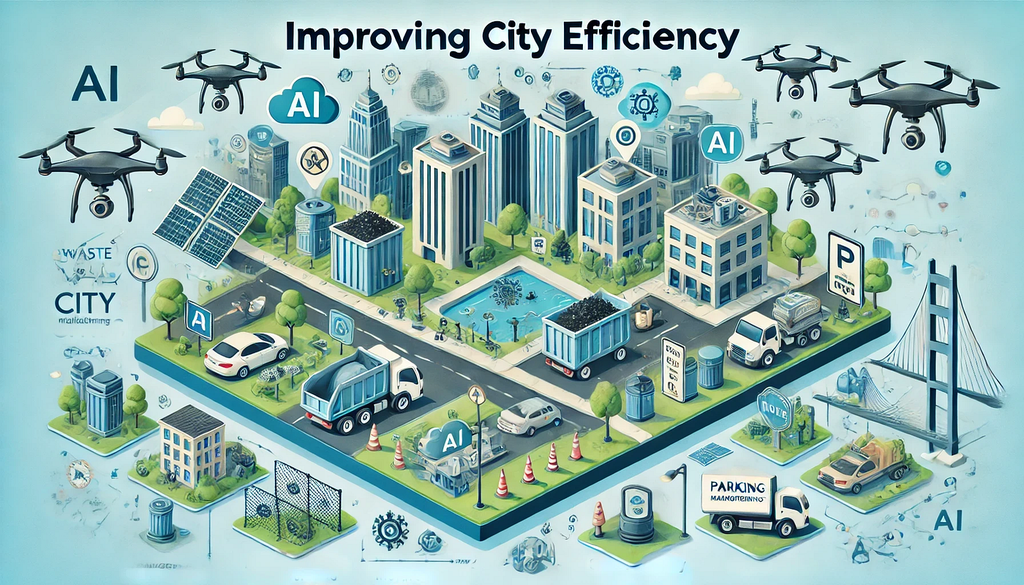
Artificial Intelligence is the foundational technology enabling the development of truly intelligent cities. Urban environments generate massive amounts of data from traffic sensors, energy grids, surveillance systems, and public services. AI transforms this data into actionable intelligence that allows city administrators to optimize operations, improve public services, and enhance quality of life for residents.
Traffic management is one of the most visible smart city applications. AI analyzes real-time traffic flow data from cameras and sensors to optimize signal timings dynamically, reducing congestion and commute times. Predictive models anticipate traffic patterns based on events, weather, and historical data, enabling proactive management rather than reactive responses to congestion.
Energy optimization powered by AI reduces consumption and costs across city infrastructure. Smart grids use AI to balance supply and demand in real time, integrating renewable energy sources and reducing reliance on fossil fuels. Intelligent building management systems optimize lighting, heating, and cooling based on occupancy and weather conditions.
Public safety is enhanced through AI-powered surveillance and predictive analytics that help law enforcement allocate resources more effectively. XAMTA partners with government organizations and urban developers to implement AI solutions that create more livable, efficient, and sustainable urban environments.